
In most cases, property owners neglect setting aside a budget to maintain their properties. The reasons are endless. Let me start by explaining why it is important to have a budget for your property:
One thing that is as certain as death and taxes in property is that something is going to break. It might be at the cost of the tenant to fix it, but relying on a tenant to act on that is risky business. Yes, the security deposit can cover the damages, but sometimes the damages can outweigh the amount. When a tenant estimates that the damages are more than the security amount, they will leave at 1 a.m. in the morning. Now imagine the challenge of showing a damaged property. Play it safe—have something set aside.
What is common about a car, property, and a baby? Yes, you can never tell when they will need money. One day everything is well, the next you need X amount—no warning, nothing. Straight from “yay” to “what?” There is no waiting for payday if a geyser stops working, a pipe bursts, or there’s an electrical issue. Properties have maintenance that needs attention right at that moment, in the blink of an eye. Be smart—think of your property as your baby.
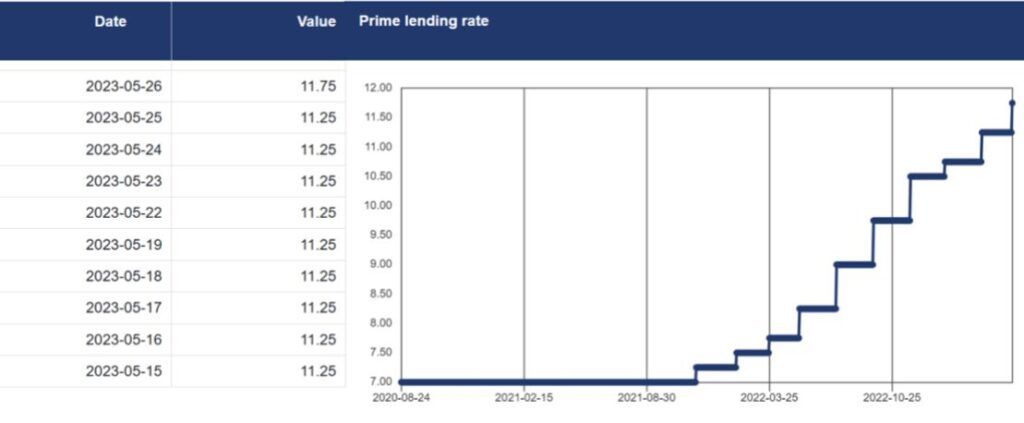
In South Africa, the Monetary Policy Committee, which determines the lending rates for South African banks, meets about six times a year. This means your bond interest rate will change about six times a year. If you remember, in 2020, the minimum prime rate was 7%—the lowest rate South Africa had ever had. By 2023, the prime rate was 11.75%.
Let me paint another image: say your bond was R5 000 at 7% in 2020. By 2023, you would be paying R7 045 at 11.5%—an increase of R2 045. You can increase rent, but it won’t go up by R2 045 in three years. You will need that maintenance budget to cover these costs.
The last point speaks to long-term budgeting—well, mostly. The first thing to understand is that property is like an iceberg. If you live inland and have never seen an iceberg in your life, don’t worry—the image below comes directly from an actual iceberg:
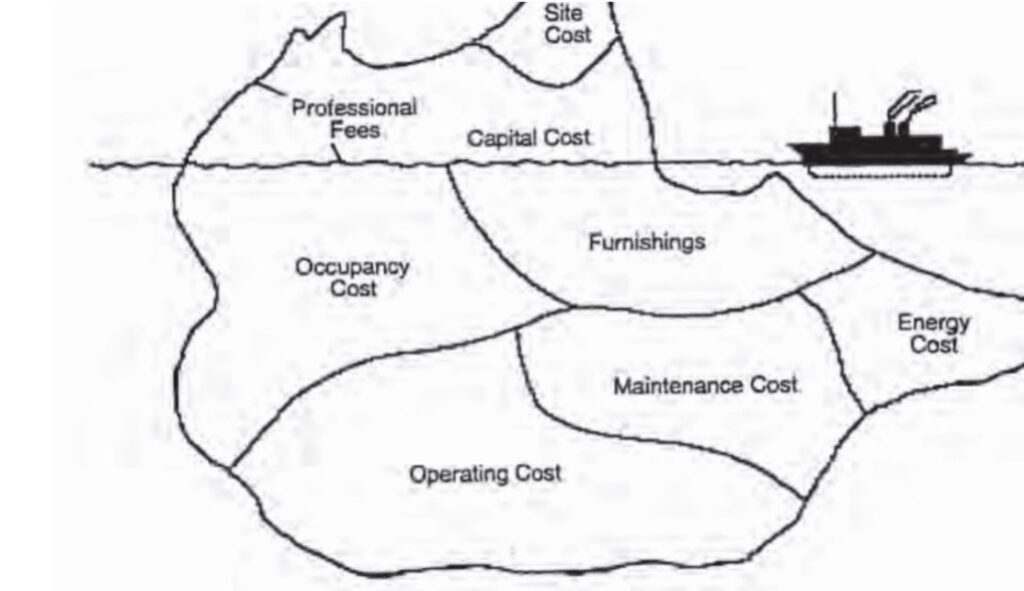
The outer tip of the iceberg is the building costs of your property. If you bought it already built, think of those costs as the purchasing cost. They amount to only 30% of the total cost of your property. What is the other 70%? Yes and yes—it’s the maintenance. 70% of your costs in your property will go to maintaining your property. If this does not scare you into putting money aside for maintenance, nothing ever will.